Since the Emirates began charging for and then banning single-use plastic bags, every retailer in the country has had to rethink packaging. The three realistic options are non-woven, paper and plastic bags, and each has a genuine place. This comparison gives UAE businesses an honest way to choose, based on cost per use, durability, print quality and environmental impact.
The short answer
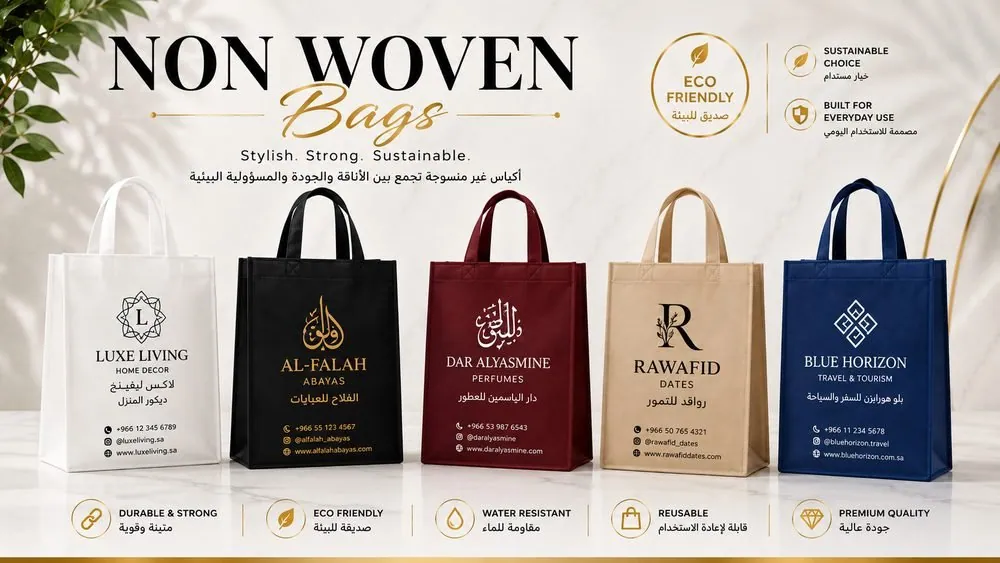
For most retail, fashion and exhibition use in the UAE, non-woven bags are the best all round choice: they are reusable for months, survive heat and humidity, print beautifully and cost a fraction of a dirham per use. Paper bags suit premium dry goods and gifting where the natural look is the message. Single-use plastic is being regulated out of the market and now signals the opposite of quality.
Side by side comparison
| Factor | Non-woven | Paper | Single-use plastic |
|---|---|---|---|
| Typical lifespan | Months of reuse (50 to 100+ trips) | One to a few trips | One trip |
| Strength | High, tear resistant, stitched handles | Moderate, weakens when wet | Low, splits under load |
| Moisture and heat | Handles UAE humidity well | Softens and tears when damp | Unaffected but restricted |
| Print quality | Excellent, up to photographic full colour | Very good on coated paper | Basic |
| Cost per use | Lowest over its life | Moderate | Low per bag, but charged or banned |
| Brand perception | Premium, reusable, responsible | Natural, boutique | Cheap and dated |
| UAE regulation | Compliant reusable option | Compliant | Charges and bans across Emirates |
Durability: the test that matters
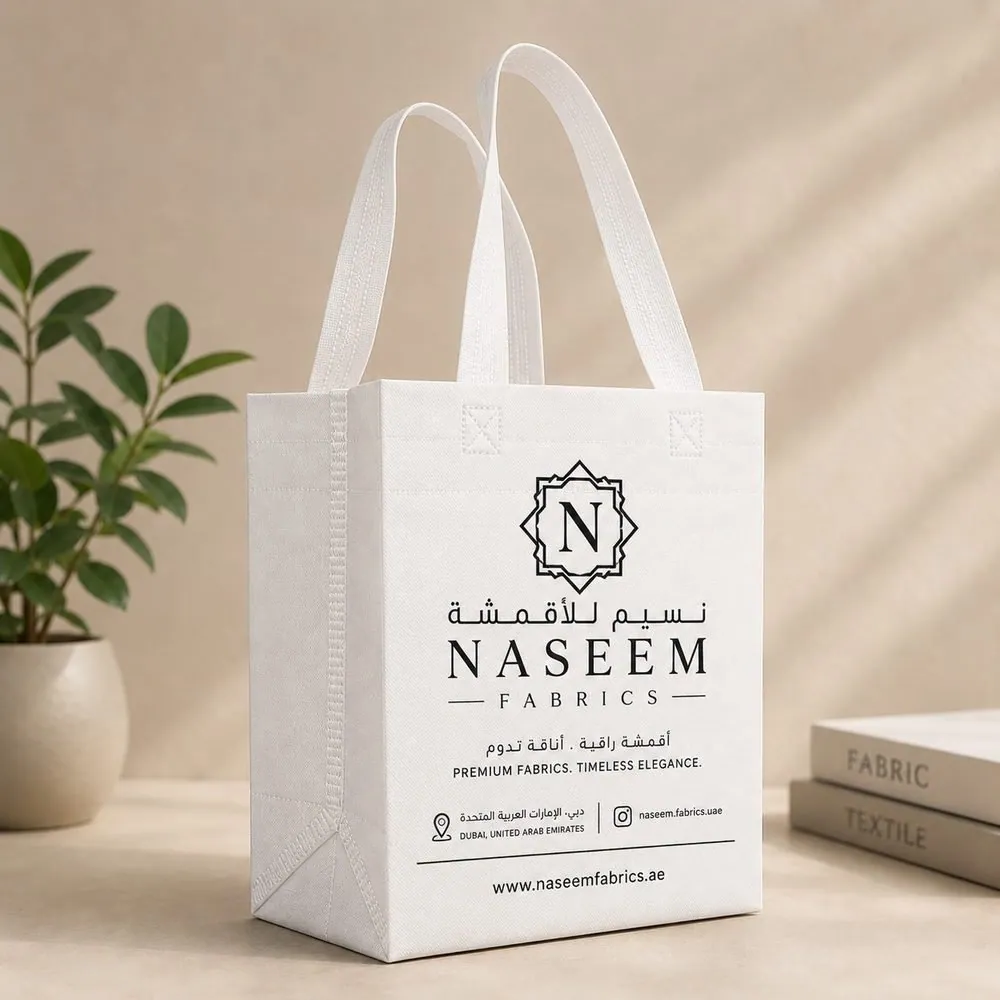
A shopping bag has one job: get the purchase home safely, every time. Non-woven fabric is tear resistant and its handles are stitched rather than glued, so a 100 GSM bag carries garments, shoe boxes and groceries without drama. Paper is respectable for light, dry products, but one damp pavement or a heavy bottle ends it. In a climate where summer humidity is a fact of life, that difference shows up in your customers' hands, not in a brochure.
Cost per use, not cost per bag
The fairest way to compare is cost per trip. A non-woven bag that costs a little more upfront but is reused fifty times costs almost nothing per trip, and every one of those trips is a free brand impression in a mall, an office or a majlis. A paper bag reused twice and a plastic bag used once cannot compete with that maths, which is why so many UAE brands have standardised on custom non-woven bags with their logo printed on both sides.
Print and brand impact
Non-woven fabric accepts everything from a minimal one colour logo to full photographic BOPP laminated artwork, as our buyer's guide to non-woven bag manufacturing explains. Paper prints crisply too, especially coated art paper for luxury carriers, but the bag's short life limits how long the branding works. Plastic offers the least print area and the least prestige.
So which should your business choose?
- Retail, fashion, exhibitions, grocery - non-woven, 80 to 120 GSM depending on load.
- Luxury gifting and dry premium goods - paper, or BOPP laminated non-woven for a longer lasting premium feel.
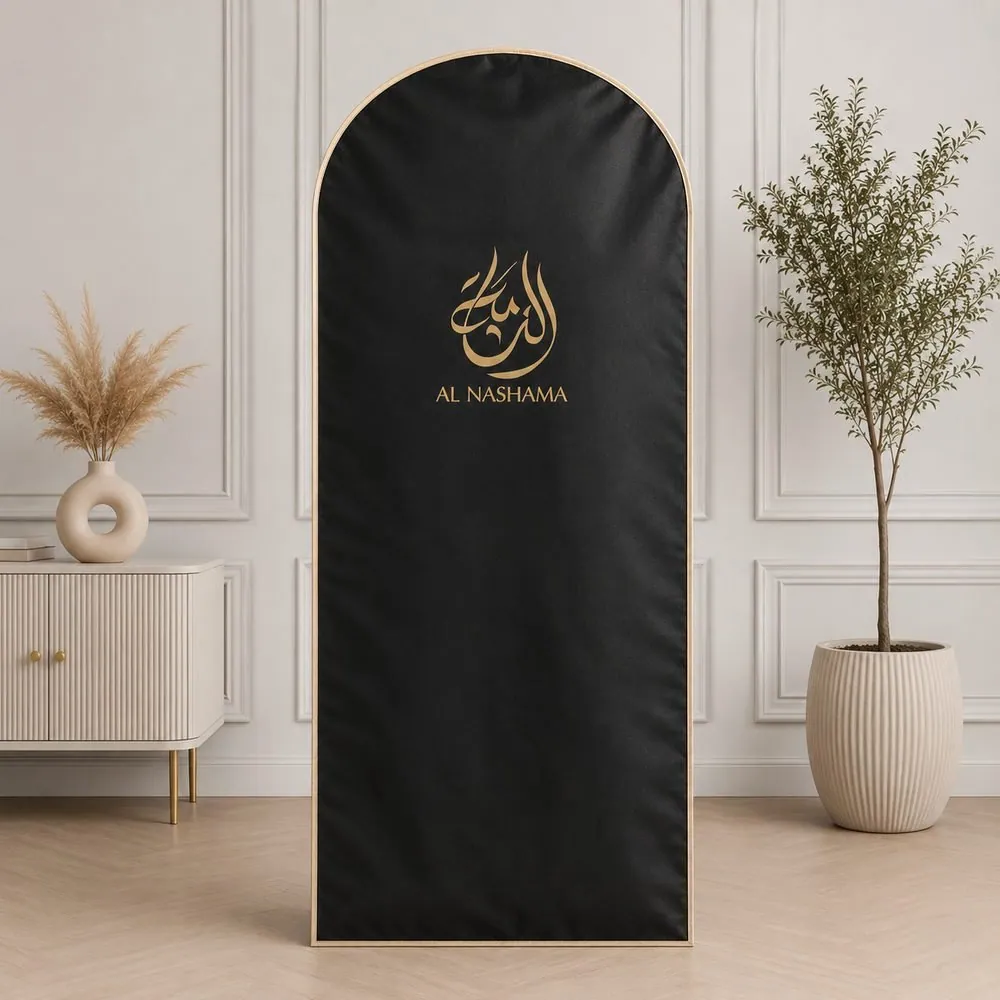
- Garments and abayas - skip bags entirely and use breathable custom garment covers.
- Single-use plastic - only where still permitted, and expect that to keep shrinking.
Whichever material you choose, the bag your customer carries is a statement about your brand. Make it one you are proud of.
Frequently asked questions
Are non-woven bags allowed under the UAE plastic bag rules?
Yes. The Emirates have introduced charges and bans on single-use plastic bags, and reusable non-woven bags are one of the standard compliant alternatives retailers have moved to, because they are designed for repeated use rather than a single trip.
Which bag is cheapest for a small boutique?
Per single unit, a thin plastic bag is cheapest, but it is also restricted and looks it. For a boutique, a mid weight non-woven bag usually wins on cost per use: customers reuse it for months, so one bag replaces dozens of single-use carriers and keeps advertising the brand.
Do paper bags survive the UAE climate?
Paper bags are fine for dry, light goods handed over indoors, but they weaken quickly with moisture, humidity and heavy loads. Non-woven fabric handles all three far better, which matters for grocery, garments and exhibition use.
Can non-woven bags be recycled?
Non-woven polypropylene is recyclable where facilities accept it, and its main environmental advantage is reuse: a single bag used a hundred times displaces a hundred single-use bags.