Every non-woven bag quote you will ever receive turns on one number: GSM. It decides strength, feel, lifespan and price, yet most buyers are never told what it really means. This guide fixes that, so you can spec fabric like a manufacturer.
GSM in plain language
GSM is grams per square metre, the weight of one square metre of fabric. At 70 GSM non-woven feels like a light shirt; at 140 GSM it feels like a stiff tote. Because you pay for fabric by weight, GSM is also the biggest single driver of unit cost after bag size. Our manufacturer's buyer's guide introduces GSM briefly; here we go deep.
The weight ladder, matched to jobs
| GSM | Character | Right for |
|---|---|---|
| 70 | Light, flexible | Event giveaways, light retail, garment dust covers |
| 80 to 90 | Everyday standard | General retail shopping bags, pharmacies, clinics |
| 100 to 110 | Strong, structured | Boutiques, bookstores, shoe bags, laundry rotation |
| 120 to 140 | Heavy duty | Supermarkets, exhibitions, electronics, long life reuse |
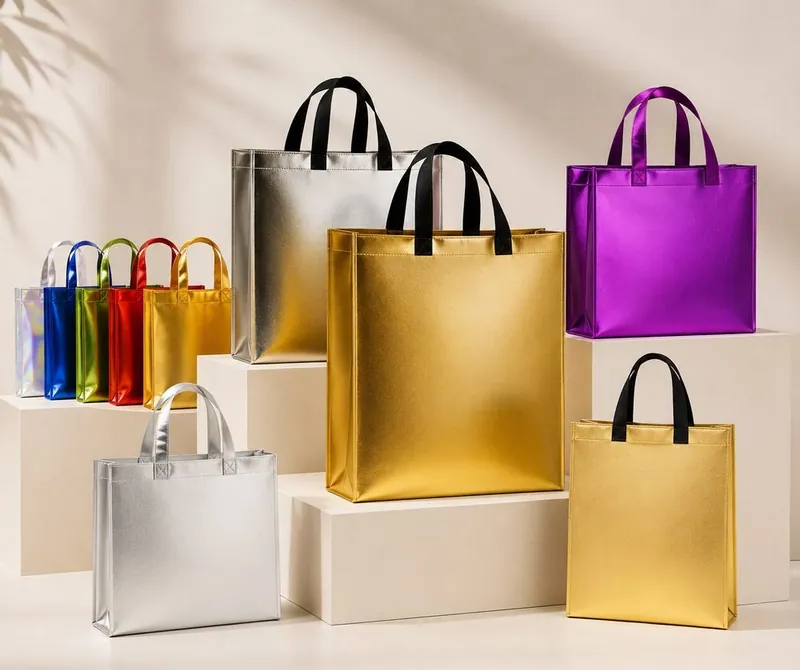
| Laminated | Rigid, premium | Luxury retail and photographic branding at any base weight |
The two failure modes
Too light: handles tear, seams split, and the customer blames your brand, not the bag spec. Too heavy: you pay for fabric you did not need, bags take more storage, and folding gets bulky. The sweet spot is the weight that carries your heaviest typical load with margin, tested with your actual product, which is why we happily make samples before bulk runs.
GSM is not the whole story
Stitching quality, handle reinforcement and seam construction matter as much as raw weight. A well stitched 90 GSM tote outlasts a badly made 120 GSM bag every time. When comparing quotes, ask about handle reinforcement and check a sample by loading it. Then use our cost guide to see how GSM moves the price.
Frequently asked questions
What does GSM stand for?
Grams per square metre: the weight of the fabric. Higher GSM means thicker, stronger, stiffer fabric and a higher price per bag.
Is higher GSM always better?
No. Over specifying wastes money and can make bags bulky to store. The right GSM is the lightest weight that safely carries your product for its expected life.
What GSM do supermarkets use?
Reusable supermarket bags typically run 100 to 120 GSM, often laminated, to survive weekly heavy shops for a year or more.
Does GSM affect printing?
Slightly. Heavier fabrics give a smoother, more stable print surface. Very light fabrics can show print through to the other side.